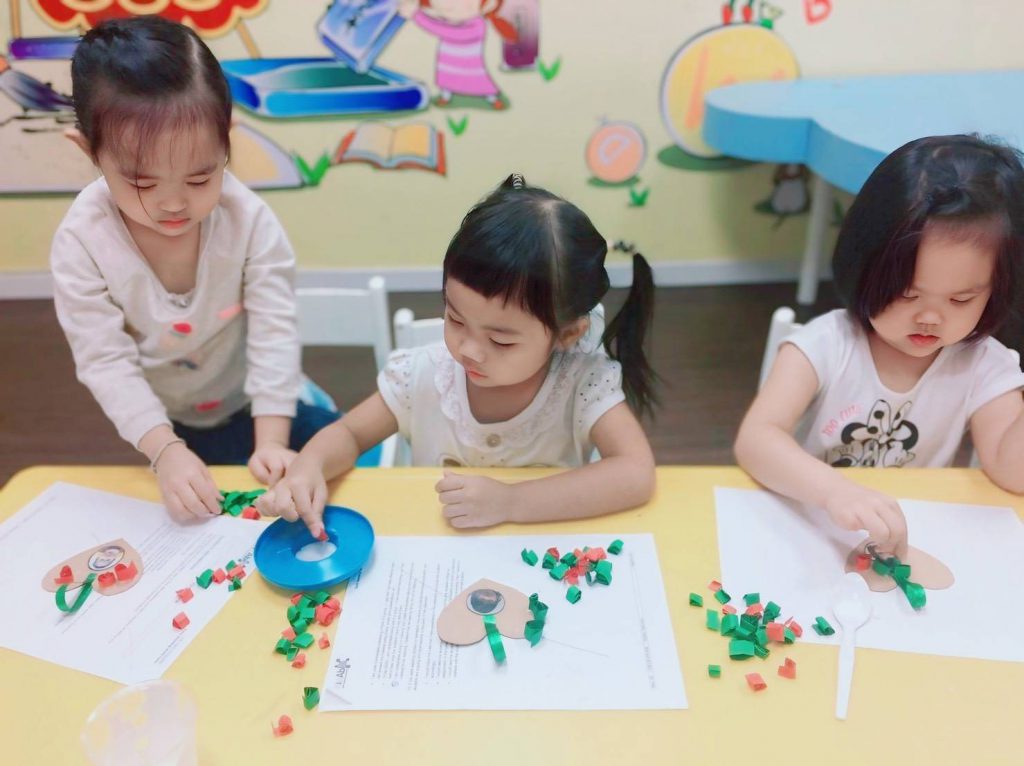
In Thailand, the long school break from March to May is a well-deserved rest. It is also the time when many children stop using English or Chinese for two or three months, and parents notice the difference in May. The good news: a little regular practice is enough to keep the language alive.
Why the holidays matter
Languages are like muscles. Without regular use, vocabulary fades and children become shy about speaking again. The aim during the holidays is not to study hard, but to keep contact with the language in an enjoyable way.
8 easy ideas for the break
- A daily story: read one short picture book in English or Chinese every evening. Ask “What do you see?” rather than testing.
- Songs in the car: nursery rhymes for little ones, pop songs with simple lyrics for older children.
- Cartoon time with a twist: switch a favourite cartoon to English or Chinese audio, with subtitles in the same language for readers.
- Cook together: follow a simple recipe and name ingredients and actions: mix, cut, pour.
- A holiday diary: one sentence and a drawing per day is enough. Younger children can dictate while you write.
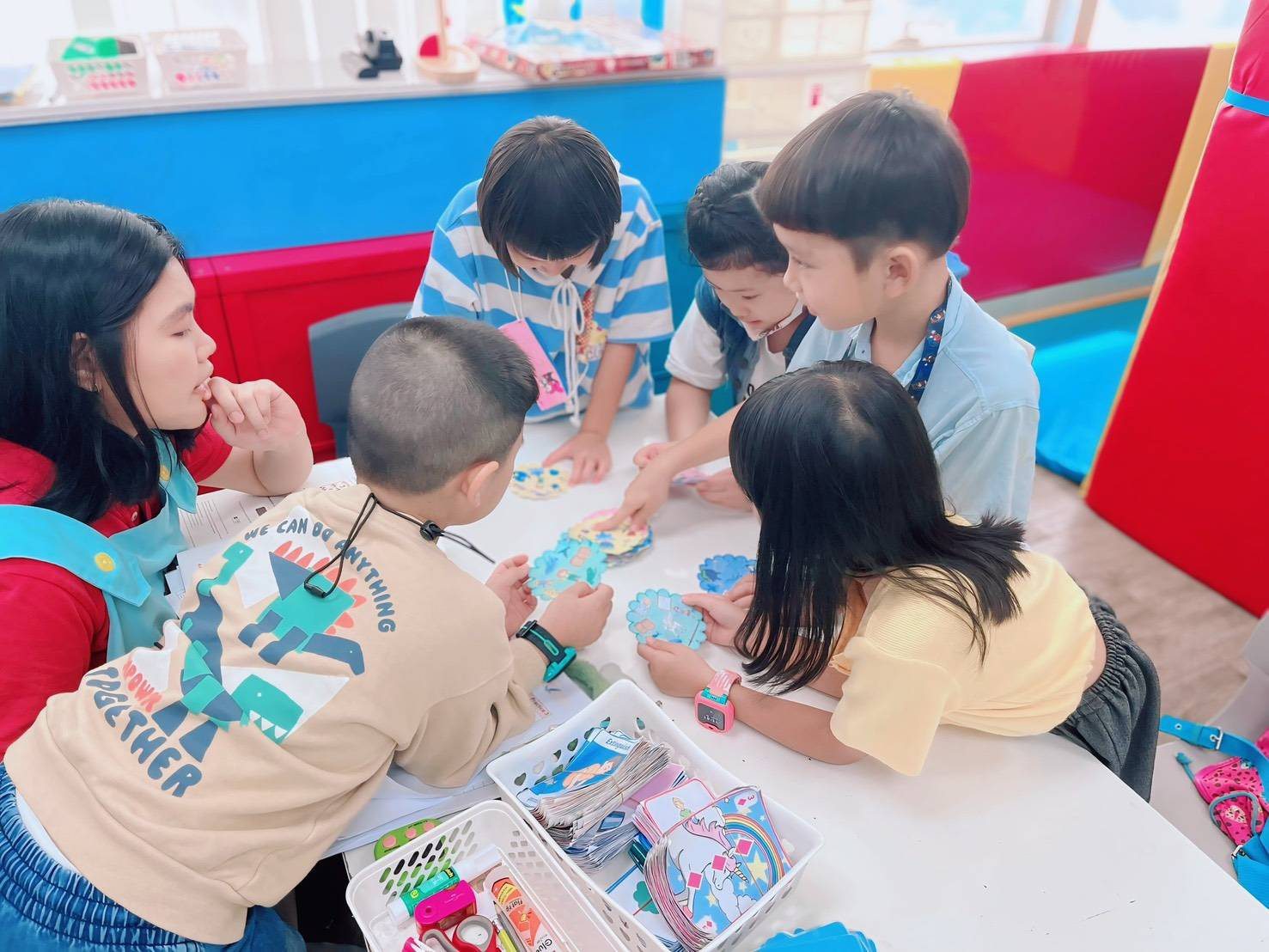
- Board and card games: memory, “Go Fish” or bingo with picture cards build vocabulary without anyone noticing.
- Video calls: a short weekly call with a relative or friend who speaks the language gives children a real reason to speak.
- A holiday club or camp: a few hours a week with other children and a teacher keeps routines and motivation going.
Keep it light
Children should feel the holidays are still holidays. Ten to twenty minutes a day, linked to things they already enjoy, works far better than worksheets. Praise effort, not perfection.
Classes during the break
Our schools keep running during the school holidays. Short programs such as Conversation and the After School Club are designed for flexible schedules, and our online classes work wherever your family travels. See all our programs or book a free trial class so your child returns to school in May confident and ready.