Ideas for curious families.
Child development, the Montessori method, bilingual learning and news from our schools.
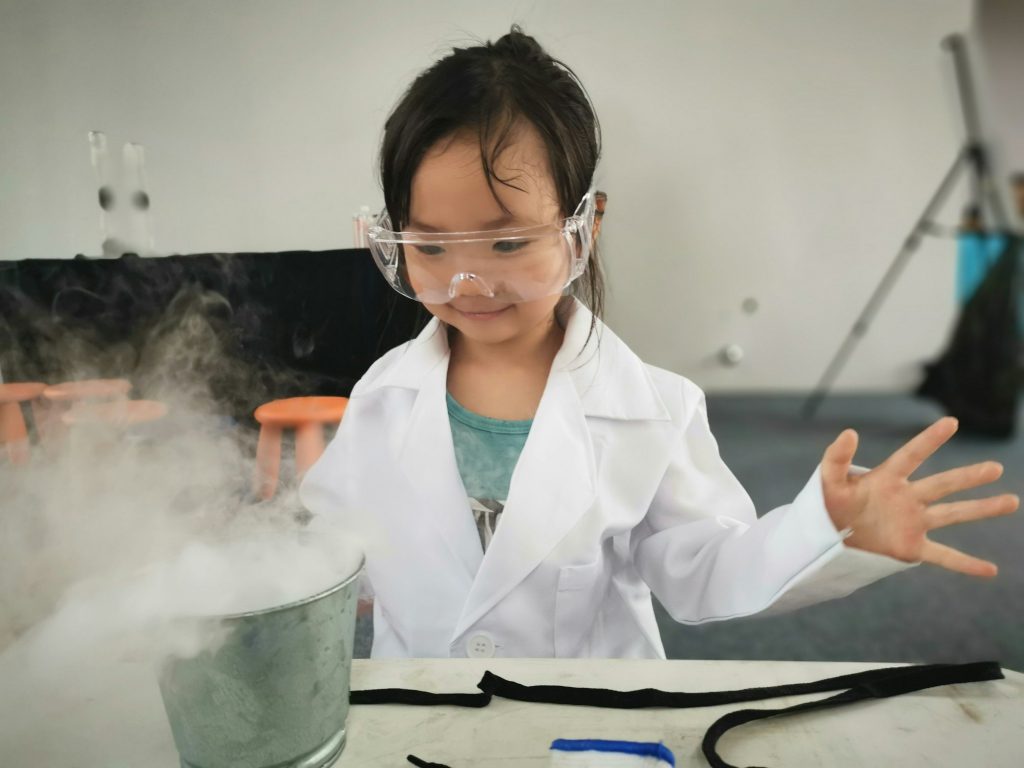
October Break: 5 Simple Science Experiments to Do at Home (Ages 3–12)
Five safe, easy science experiments with everyday materials for children aged 3 to 12, perfect for the October school break, plus the questions that turn play into real science.
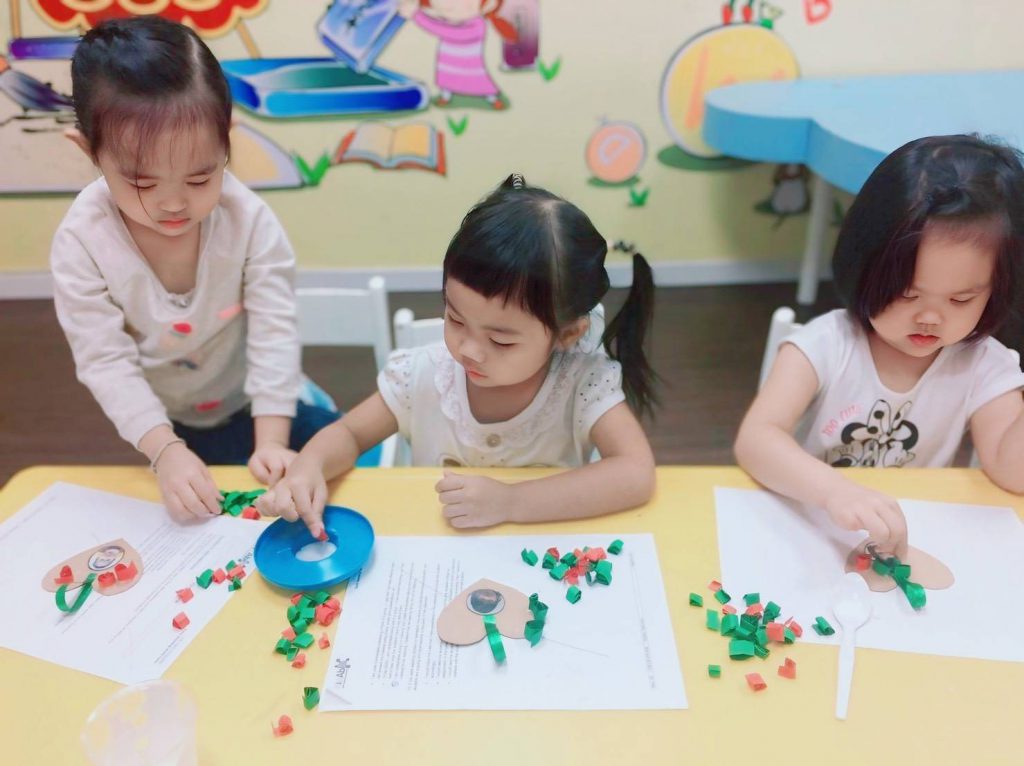
Why Arts and Crafts Matter: Creativity, Fine Motor Skills and Confidence
Painting, cutting and building do more than decorate the fridge: how arts and crafts support creativity, fine motor skills, language and confidence.
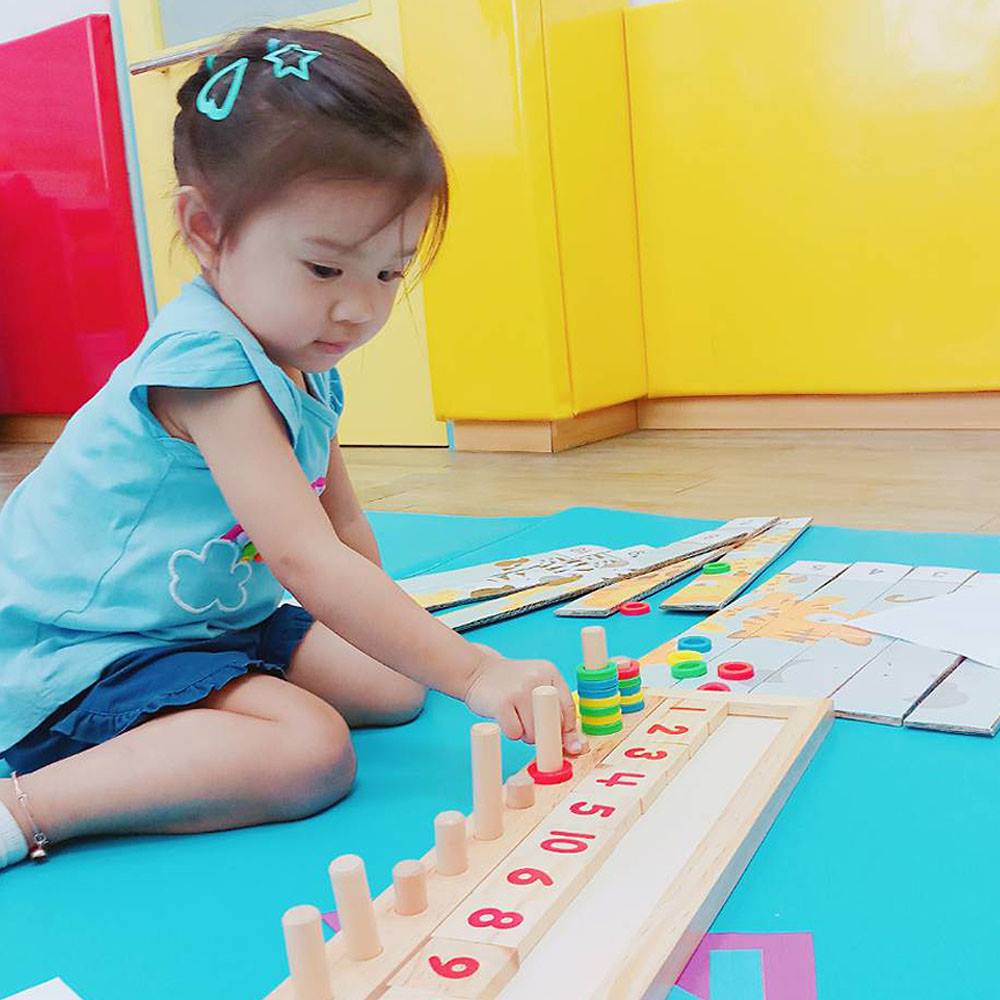
Maths Without Tears: The Montessori Way from Counting to Problem-Solving
How hands-on Montessori materials help children understand numbers instead of memorising them, and simple maths games to play at home with children aged 3 to 12.
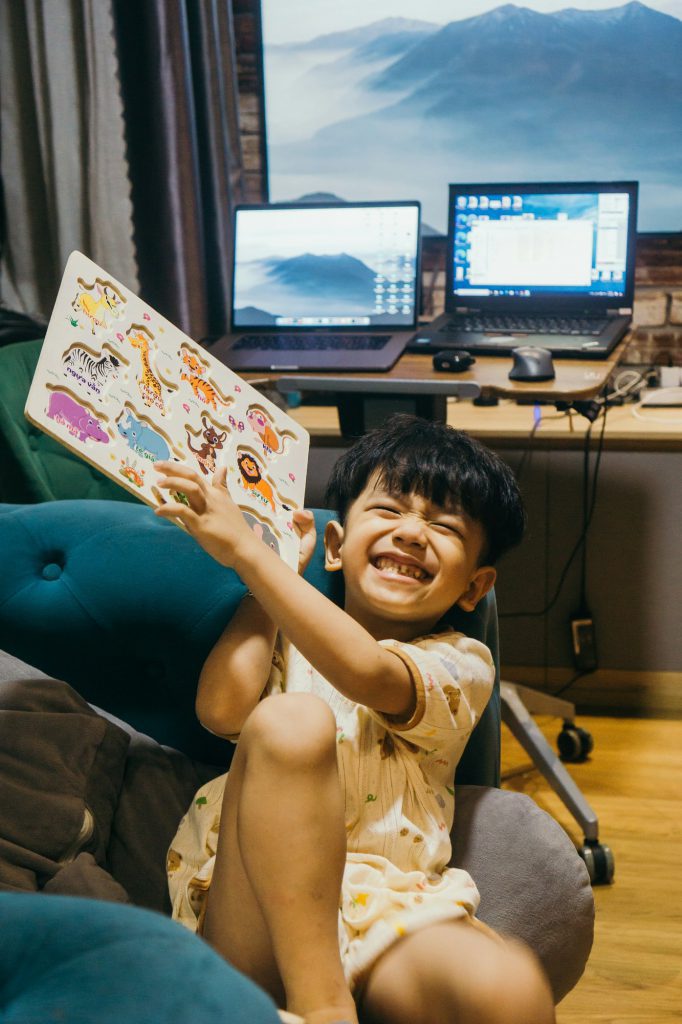
Online Classes for Young Children: 7 Tips to Make Them Work
Can young children really learn in online classes? Yes, with the right setup. Seven practical tips for parents to make live online English and Chinese lessons work.
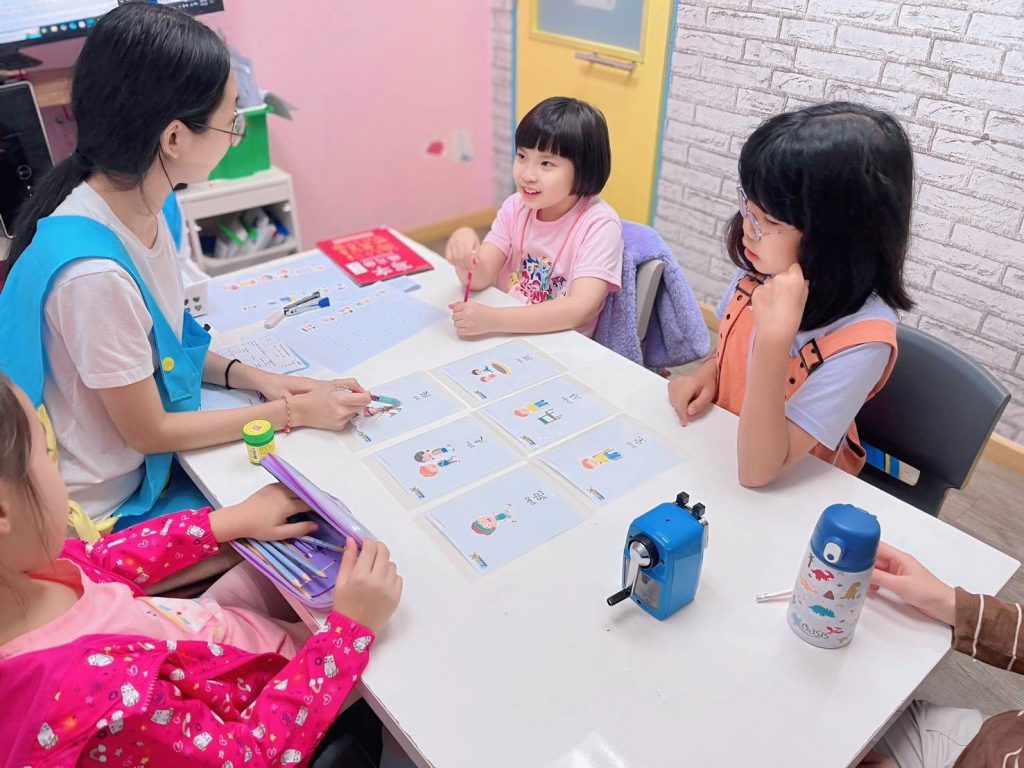
Learning Chinese as a Young Learner in Thailand: Tones, Characters and More
Why Chinese is a great choice for Thai children, how kids learn tones, pinyin and characters, and practical tips to support Chinese learning at home.
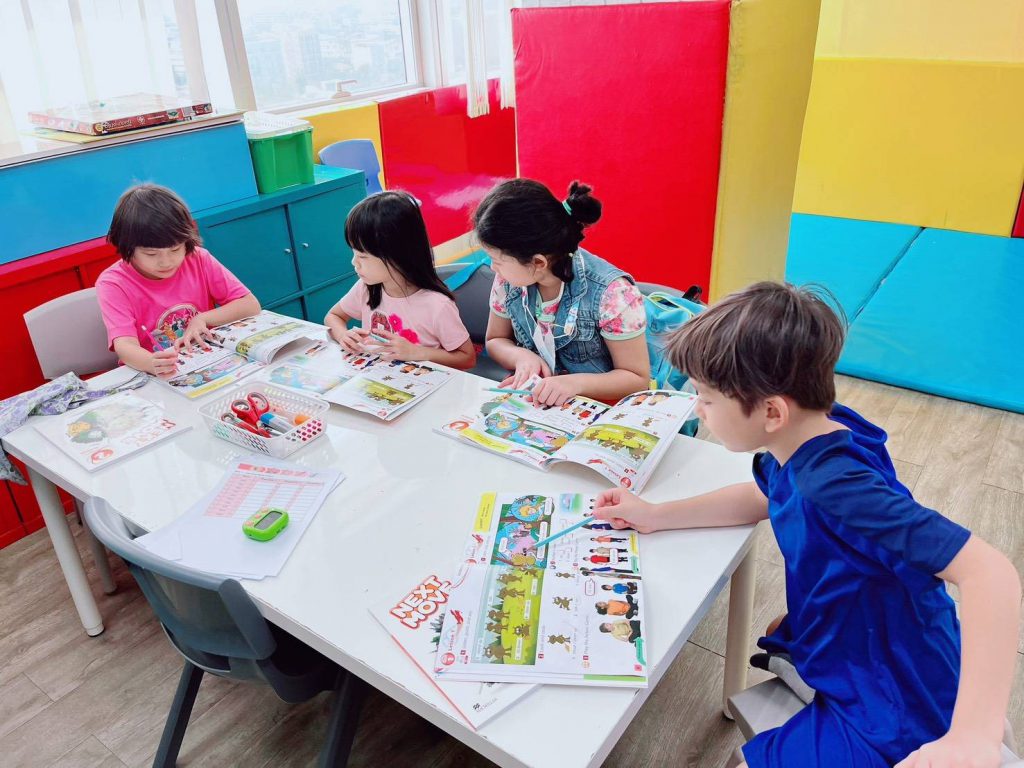
New School Year: Choosing the Right Level (CEFR and HSK Made Simple)
A clear guide for parents to the CEFR (English) and HSK/YCT (Chinese) levels, why the right starting level matters, and how KidAble's free placement test works.
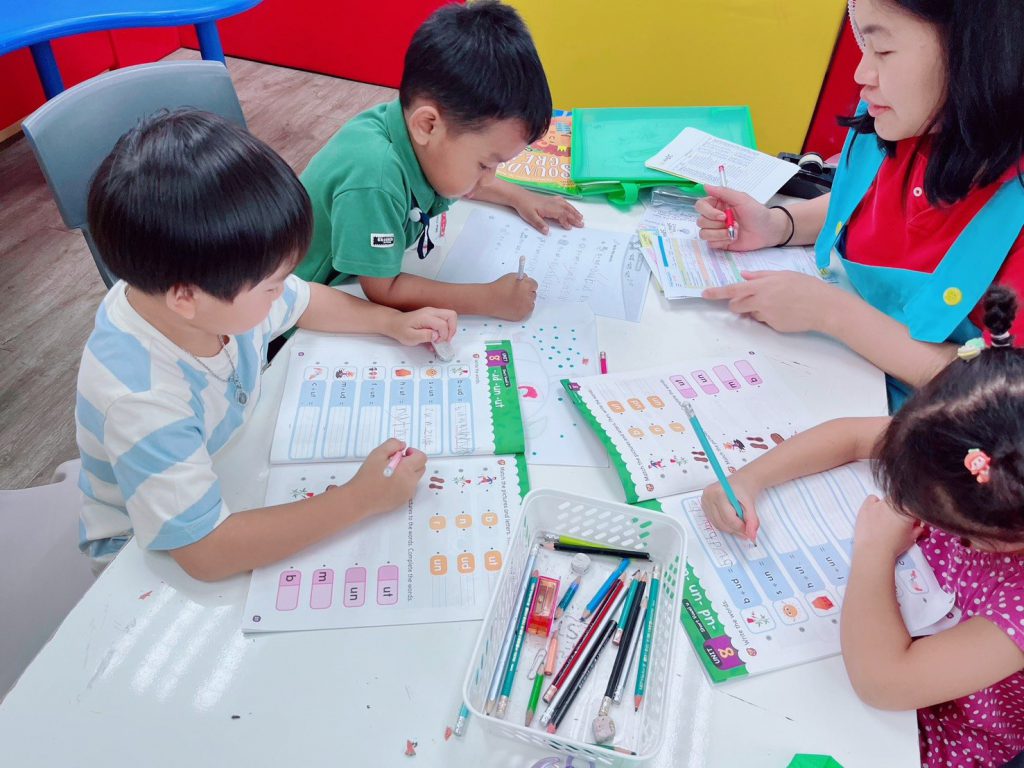
Phonics Explained: How Young Children Learn to Read in English
What phonics is, why it is the most effective way for young children to start reading English, and simple phonics games parents can play at home.
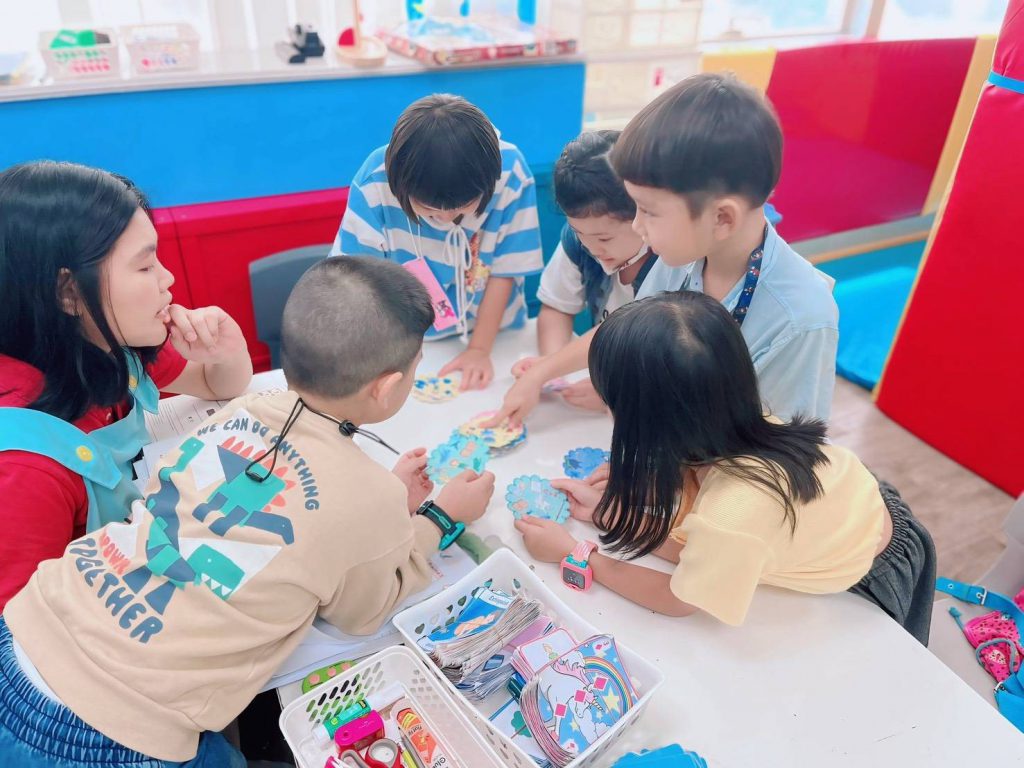
Long School Break: 8 Ways to Keep English and Chinese Alive at Home
The long March–May school break can erase months of progress. Here are 8 simple, fun ways to keep your child's English and Chinese active during the holidays.
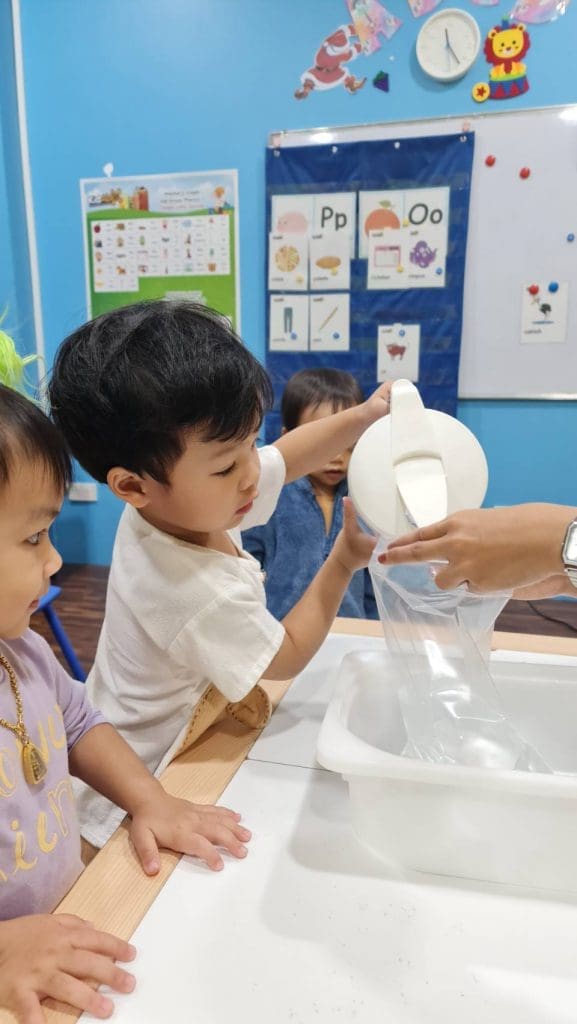
Learning by Doing: What Montessori Looks Like in a KidAble Class
What the Montessori method really means for your child: a prepared environment, hands-on materials, independence and respect for each child's pace.
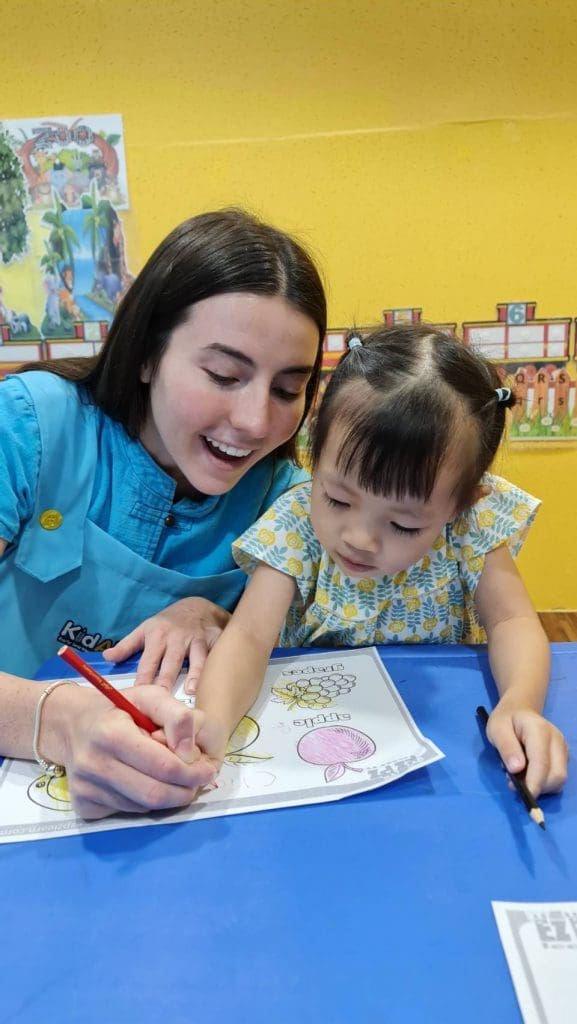
Why the Early Years Are the Best Time to Learn a Second Language
Why ages 1 to 6 are a golden window for English and Chinese, what parents can expect, and how KidAble's Play Group and Kid Group make early learning natural.