A language is more than words: it carries songs, stories, food and traditions. Festivals are the perfect moment to bring that culture to life, and children remember what they experience with joy far better than what they memorise.
Why culture helps language learning
- Real reasons to use words: wishing “Merry Christmas” or “新年快乐” to someone is communication with a purpose.
- Rich, themed vocabulary: each celebration brings its own words, objects and songs.
- Open minds: discovering how others celebrate builds curiosity and respect.
- Strong memories: costumes, decorations and shared food make lessons unforgettable.
A year of festive ideas
Christmas (December)
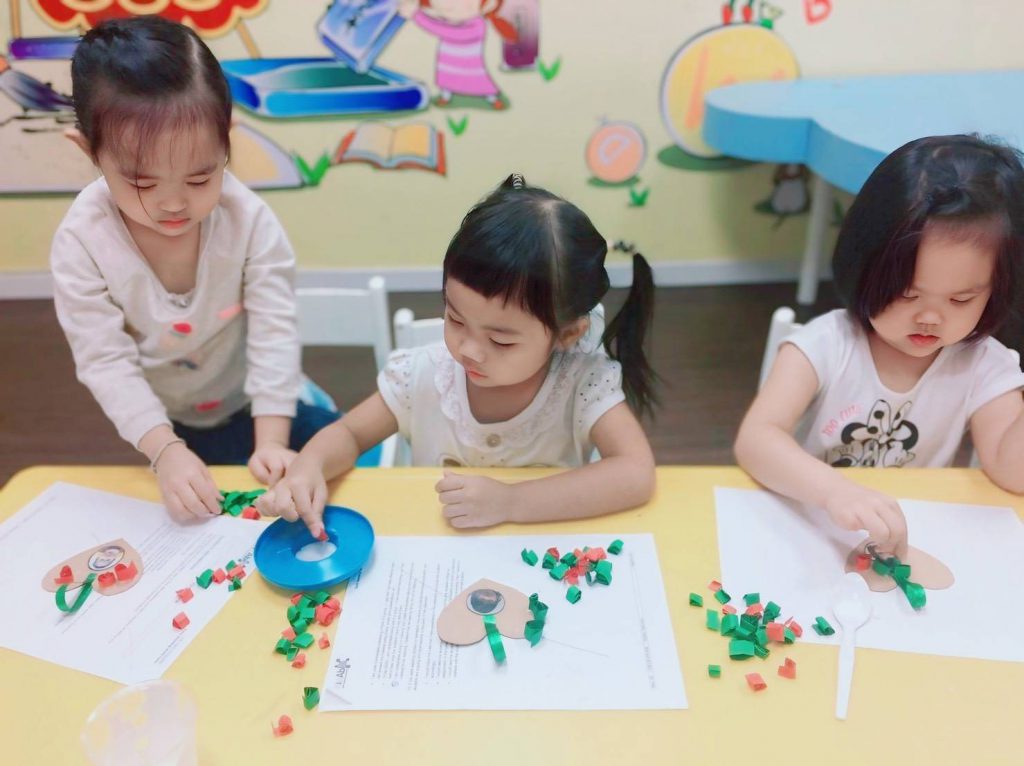
Sing carols, make paper decorations, write a short card in English, and play “pass the present” while naming what is inside.
Chinese New Year (January or February)
Learn greetings such as 新年快乐 (Happy New Year) and 恭喜发财, discover the animal of the year, decorate with red paper cut-outs and talk about the meaning of red envelopes.
Songkran (April)
A great moment to compare traditions: describe Thai New Year in English or Chinese, and learn words for water, family, respect and summer.
Loy Krathong (November)
Build a small krathong together and describe each step: fold, cut, decorate, float, make a wish.
Halloween and Mid-Autumn Festival
Costume vocabulary, pumpkin crafts, mooncakes and the story of the moon are all wonderful storytelling material.
Tips for parents
- Choose one or two key phrases per festival and use them all week.
- Read a picture book about the celebration before the day.
- Cook a simple traditional recipe together and name the ingredients.
- Make a small “festival diary” with a drawing and one sentence.
Celebrations at KidAble
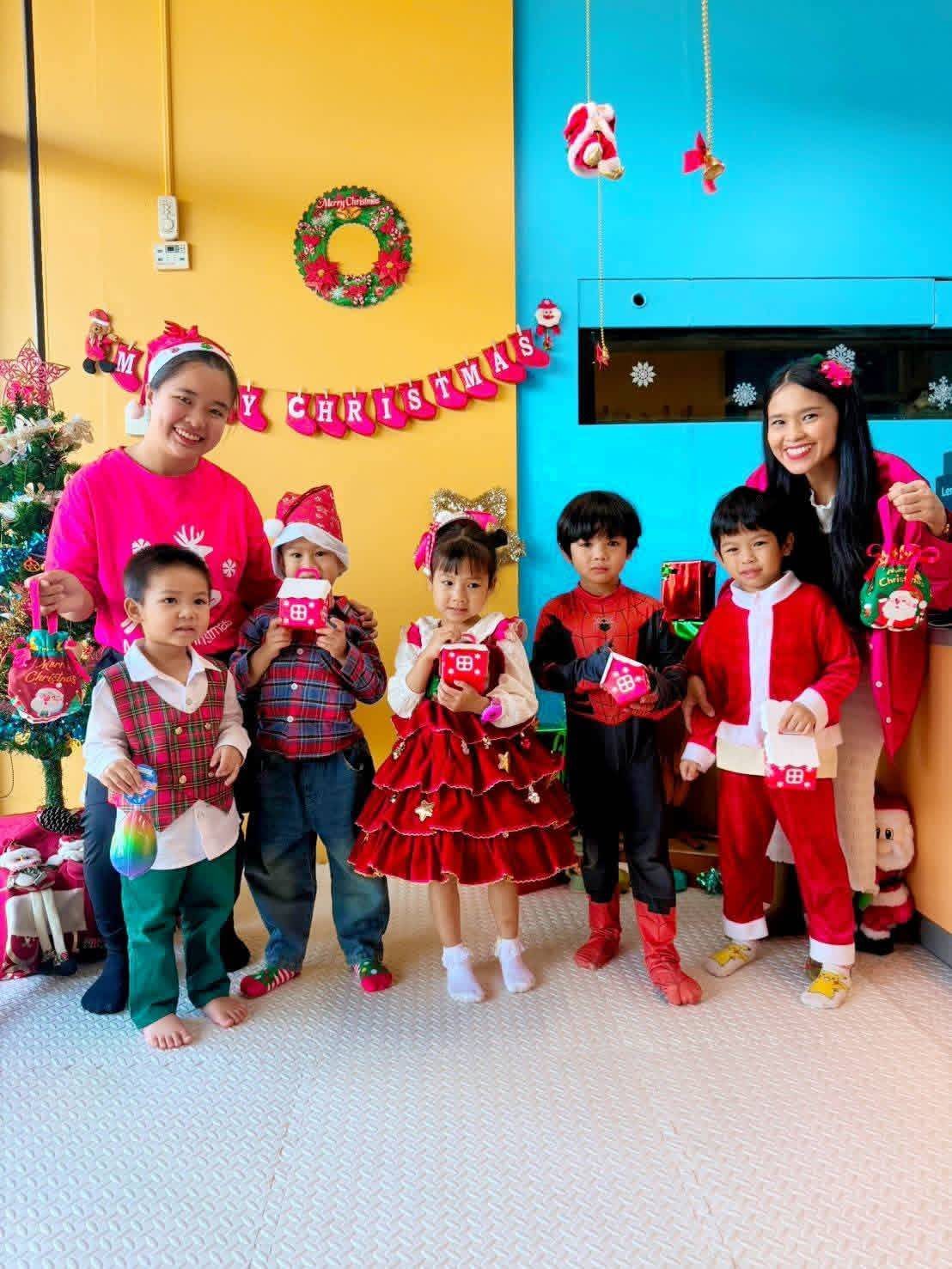
At our schools, festivals are part of the learning year. Children dress up, sing, make crafts and exchange wishes in English and Chinese, turning culture into language practice in small, joyful groups.
Discover our English and Chinese programs or book a free trial class.